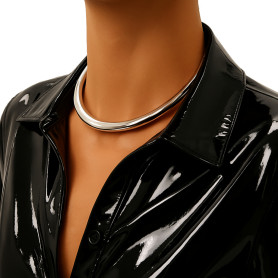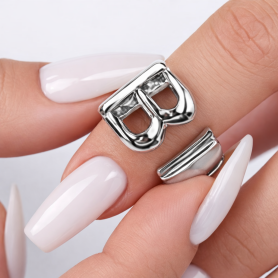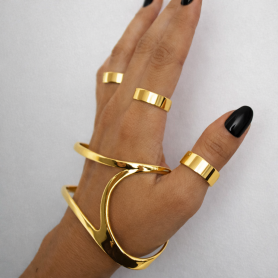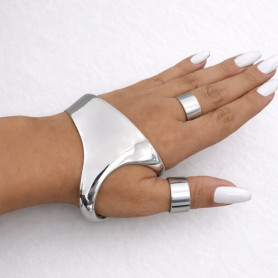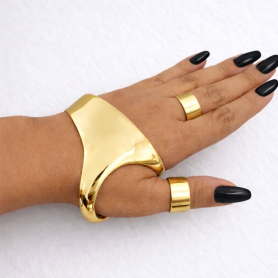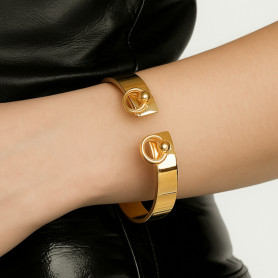

Latex Name Collar (35 mm Letters)
DKK 299.00

Latex Name Collar (35 mm Letters)

Total Rubber Bondage (Set of 9 pcs.)

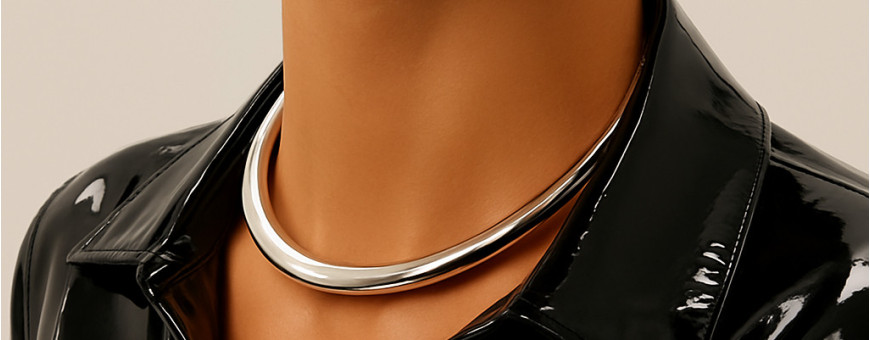
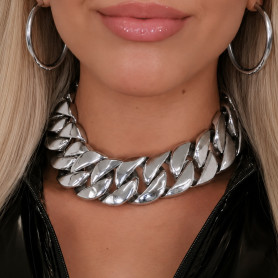
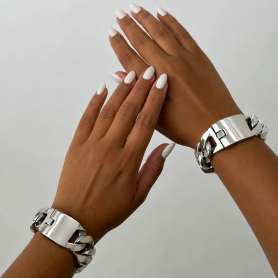
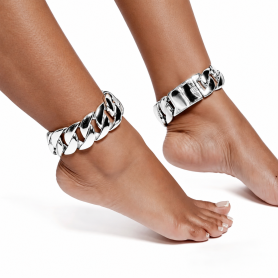
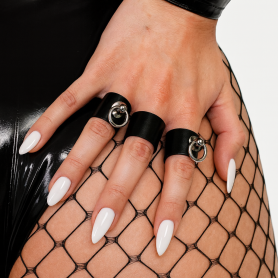
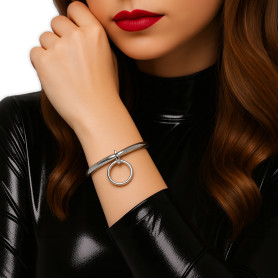
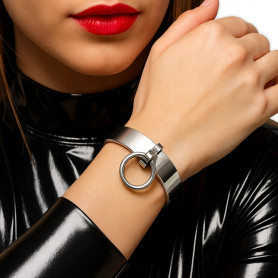
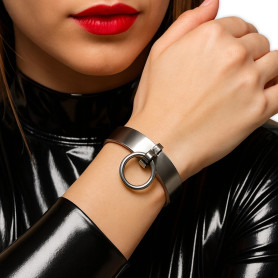
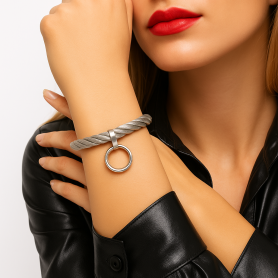
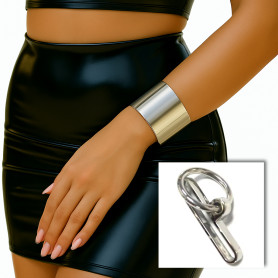
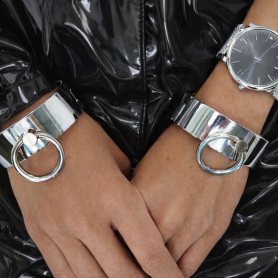
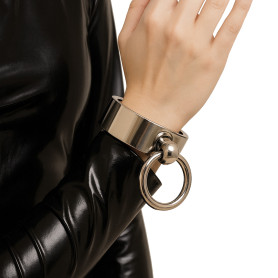
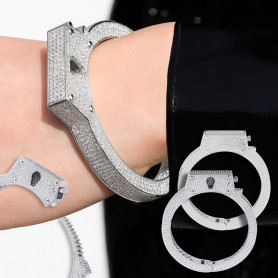
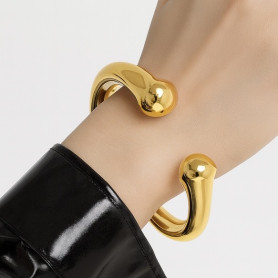
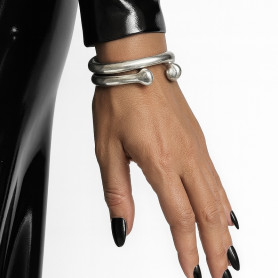
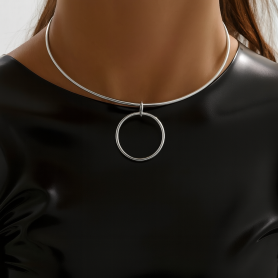
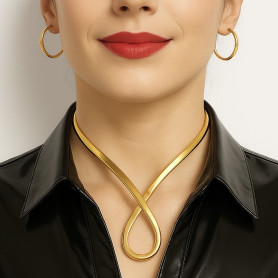
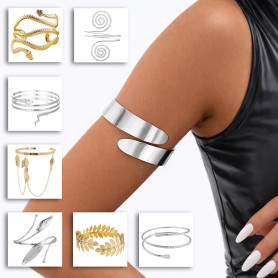
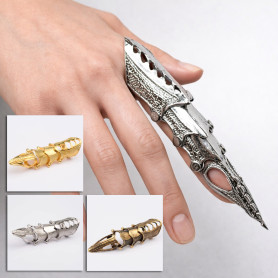
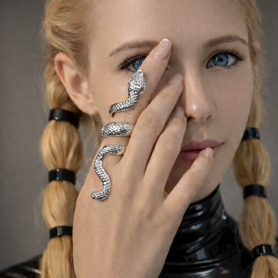
Fetish jewelry plays a unique role within many BDSM and fetish communities. While jewelry is often worn simply as fashion, it can also represent identity, relationships, personal values, and lifestyle. A collar, neck ring, bracelet, or ring may carry a deeper meaning, serving as either a subtle or visible expression of the role, dynamic, or community a person has voluntarily chosen to be part of.
In many alternative communities, jewelry functions as a form of visual communication. Just as a uniform can identify a profession, certain pieces of jewelry may signal an interest in BDSM, fetish culture, or a particular subculture. Neck rings, leather collars, bracelets, and symbolic rings are often worn as personal expressions or as markers of a consensual Dominant/submissive relationship between adults.
For many people, fetish jewelry is about far more than appearance. It can symbolize trust, devotion, commitment, structure, or an agreement between partners. A collar or neck ring may represent a meaningful relationship or shared values, while bracelets, rings, and other accessories can serve as discreet symbols recognized mainly by the wearer or by members of the same community.
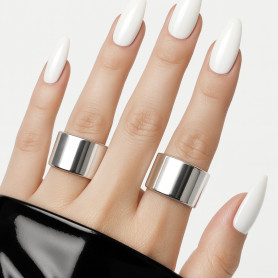
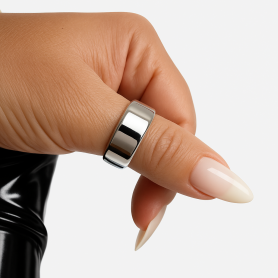
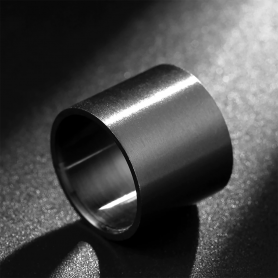
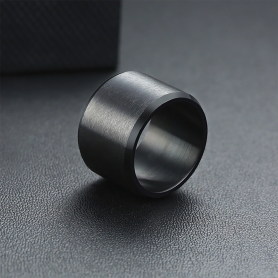
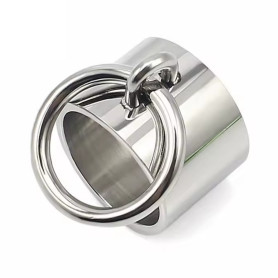
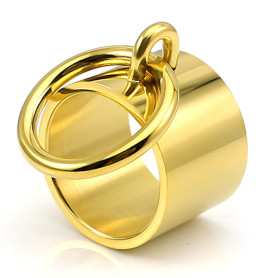
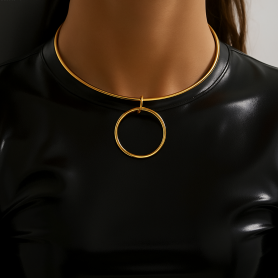
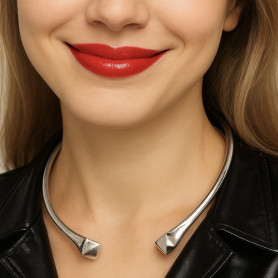
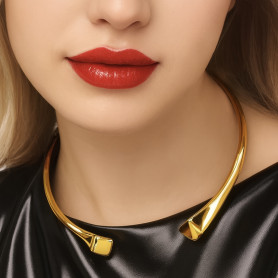
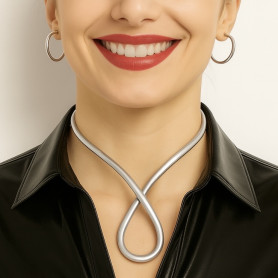
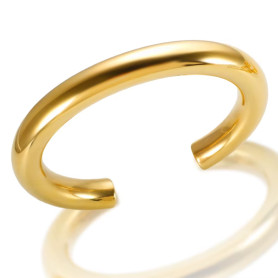
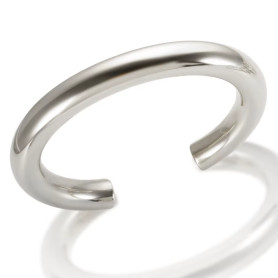
The choice of material often carries symbolic as well as aesthetic value. Stainless steel and titanium are associated with strength, durability, and permanence. Leather has deep roots within BDSM and fetish culture, offering a timeless and rugged appearance, while latex and rubber appeal to those who enjoy a sleek, tactile, and visually striking aesthetic. Many people prefer minimalist or industrial-inspired designs that complement the distinctive style of the fetish community.
In many relationships, jewelry becomes part of a personal ritual. Putting on a specific collar, bracelet, or neck ring can help create a mental transition, prepare for a particular role, or strengthen the emotional connection between partners. For some, these pieces become psychological anchors that reinforce the agreed dynamic and serve as meaningful reminders of trust, commitment, and shared experiences.
Fetish jewelry is also appreciated for its physical qualities. The weight of polished metal, the feel of leather against the skin, or the smooth surface of latex and rubber can all contribute to the overall experience. For many, the attraction lies in the craftsmanship, materials, and visual design just as much as in the symbolism behind each piece.
Like many other subcultures, the BDSM and fetish community has its own visual language. A particular piece of jewelry can discreetly communicate shared interests, lifestyle, or relationship dynamics without saying a word. Neck rings, bracelets, collars, and rings can therefore act as both personal identity markers and symbols of belonging within a like-minded community.
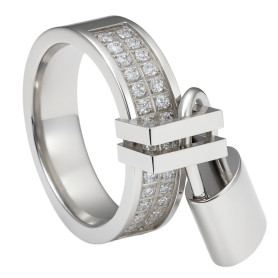
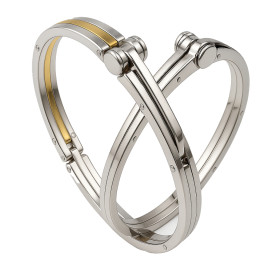
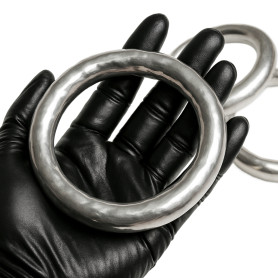
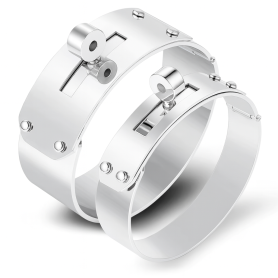
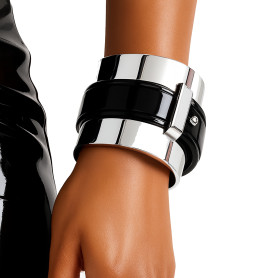
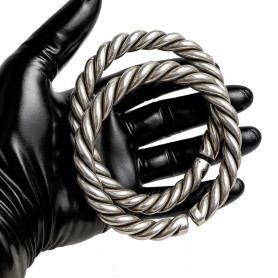
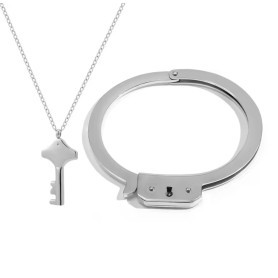
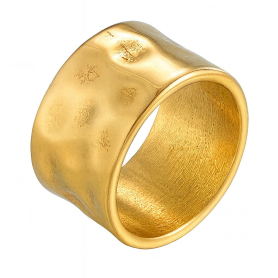
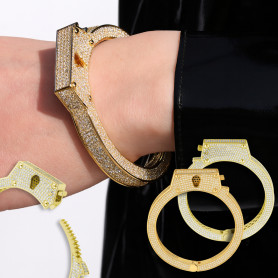
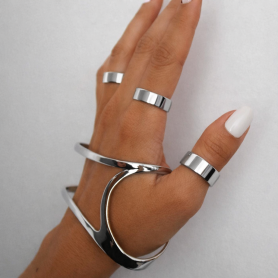
At Fetish.dk, you'll find a carefully selected range of fetish jewelry, neck rings, collars, bracelets, rings, and alternative accessories inspired by BDSM, fetish culture, and contemporary alternative fashion. Whether you're looking for an elegant everyday piece or a bold statement accessory for events, roleplay, or club nights, our collection combines quality craftsmanship, durability, and distinctive design.
There are 54 products.